


Introduction
In the fast-paced world of business and personal growth, success is often defined by numbers.
Key Performance Indicators (KPIs) have become the bedrock of measuring and managing performance in various fields and it makes sense: you cannot change or improve something you haven’t measured.
Successful companies embed KPIs in all their business critical activities. How about the Key Well-being Indicators (KWIs)? After all, happy souls feel better, are more creative and are better performers. Why not measure what makes us happy to perform well?

If you do what you love, you’ll never work a day in your life – Marc Anthony
KWIs are equally important but often overlooked in favor of KPIs. In this article, we’ll explore the significance of having KWIs alongside KPIs and how this symbiosis brings a balanced approach to holistic success.
The Role of Key Performance Indicators (KPIs)
KPIs are quantifiable metrics that organizations use to evaluate their success in achieving specific objectives. Whether it’s revenue growth, customer satisfaction, or project completion, KPIs provide a clear roadmap for tracking progress. Businesses rely on KPIs to:
- make informed decisions,
- allocate resources effectively,
- continuously improve their operations
The Limitations of KPIs
While KPIs offer valuable insights into the performance of a business or individual, they are far from being infallible. These metrics typically focus on outcomes, such as profits, sales, or efficiency, often neglecting the well-being of those involved.
Here’s where KWIs Indicators come into play.
Understanding KWIs
Well-Being Indicators encompass various aspects of physical, mental, and emotional health, as well as overall life satisfaction. These metrics help gauge the overall quality of life, both within and outside the workplace. KWIs may include:
- employee satisfaction scores,
- stress levels, work-life balance,
- health metrics like sleep quality and exercise routines
Nevertheless, there is no defined list of KWIs, they are based on what is important for you to keep on track. For develop KWI that matter to you, ask yourself these 3 questions:
- Which aspect of your well-being brings you energy and happiness?
- What are your well-being priorities?
- which are prone to get worse if not monitored?
The Importance of KWIs at the workplace
- Employee Satisfaction and Productivity:
Being happy and healthy improves engagement and productivity, as a Leader or a Contributor to the success of the company. By tracking well-being indicators like job satisfaction and stress levels, organizations can identify and address issues before they impact performance. A contented workforce is more likely to stay with the company, reducing turnover and recruitment costs.

When we strive to become better than we are, everything around us becomes better too. – Paulo Coelho
- Health and Performance:
Physical and mental well-being directly influence an individual’s ability to perform. Monitoring indicators such as sleep patterns and stress levels can help individuals make lifestyle adjustments that boost their productivity, creativity, and problem-solving skills.
- Work-Life Balance:
Balancing work and personal life is crucial for long-term success and overall happiness. Well-Being Indicators can help individuals maintain this equilibrium, leading to reduced burnout and improved job satisfaction.
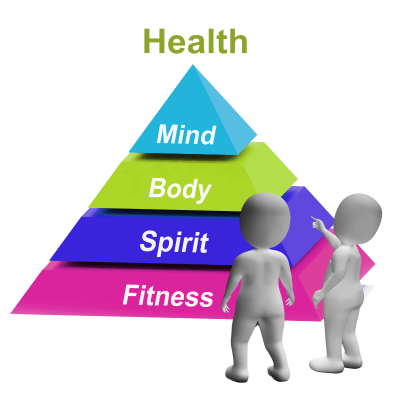
- Holistic Success:
Ultimately, success should encompass not only professional achievements but also personal growth and well-being. By incorporating KWIs alongside KPIs, individuals and organizations can redefine their understanding of success, focusing on a more balanced, sustainable approach.
The Synergy Between KPIs and Well-Being Indicators
- Informed Decision-Making:
KWIs provide context to KPIs. For instance, if a company sees a sudden drop in productivity, examining well-being metrics might reveal that employees are experiencing high levels of stress. This information can lead to targeted interventions, such as stress management programs, that improve both well-being and performance.
- Long-Term Sustainability:
Prioritizing well-being indicators can prevent short-term success at the expense of long-term health and happiness. A company that consistently pushes employees to work overtime to meet KPIs may see short-term gains but risks employee burnout, turnover, and a tarnished reputation in the long run.
(pic toxic) “Life is too short to waste time with toxic people or things that don’t bring happiness into our lives” — Anonymous
- Competitive Advantage:
Organizations that genuinely care about the well-being of their employees often attract and retain top talent. This, in turn, enhances their ability to meet and exceed KPIs as motivated, healthy, and engaged employees contribute positively to the bottom line.
Conclusion
In the pursuit of success, we must remember that numbers and metrics alone cannot define it comprehensively. By integrating KWIs alongside KPIs, individuals and organizations can achieve a more balanced and holistic form of success—one that considers not only financial achievements but also the well-being, health, and happiness of all involved. In this symbiotic relationship, well-being fuels performance, and performance, in turn, enhances well-being, ultimately leading to a more sustainable and fulfilling path to success.